

Ville e Palazzi Asburgici
Arco
Liberty and neoclassical architecture of the "city of air".
“`html
Overview
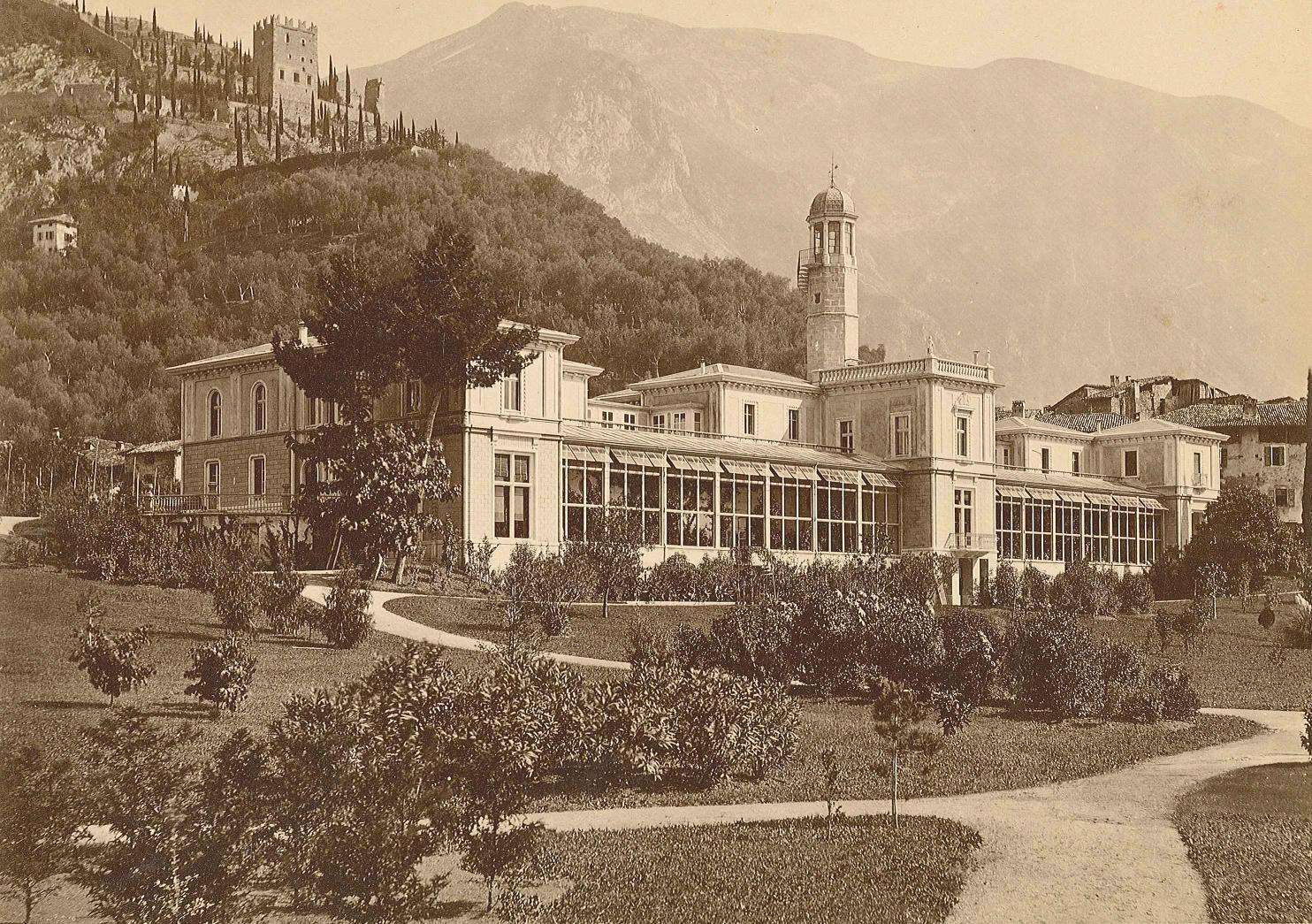
Arco was one of the most coveted destinations for Austro-Hungarian aristocracy during the second half of the 19th century. The mild climate, sheltered location, and pure mountain air transformed this charming town at the foot of its medieval castle into a renowned Kurstadt—a spa and health resort—frequented by nobles, intellectuals, and officers of the Austro-Hungarian Empire. This golden era left behind an extraordinary architectural heritage of villas, palaces, and gardens that still define Arco’s character today.
The Empire’s Spa Town
The transformation began when Archduke Albert of Habsburg, cousin of Emperor Franz Joseph, chose Arco as his winter residence in the 1870s. His magnificent villa and expansive park—now the Arciducal Arboretum—became the social and cultural heart of the town. The Archduke’s arrival attracted physicians, artists, and noble families, sparking an exclusive tourism boom that would reshape the entire community.
Within decades, dozens of pensions, sanatoriums, and private villas sprang up along tree-lined avenues. Viennese and Trentino architects designed elegant buildings in Liberty, Neoclassical, and Historicist styles, complete with decorated façades, loggias, turrets, and manicured gardens that showcase remarkable craftsmanship and attention to detail.
Must-See Villas and Landmarks
Walking through Arco reveals numerous treasures from this Belle Époque period. Villa Arciducale, the Archduke’s former residence, sits at the heart of this heritage and now hosts the Arciducal Arboretum. Villa delle Rose charms visitors with its ornate Liberty-style decorations and Italian garden along Viale delle Palme. The Casino Municipale, originally the Kurhaus (health center), was the social epicenter where concerts, balls, and grand receptions took place. The late-19th-century Hotel Palace once welcomed nobility with its monumental façade, while Palazzo Marchetti in the historic center showcases Renaissance-Baroque frescoed façades and exquisite architectural details.
Viale delle Palme and Garden Heritage
The iconic Viale delle Palme, connecting the historic center to the villa district, perfectly captures Arco’s Mediterranean ambiance. Palm trees, oleanders, and magnolias line the avenue, creating an atmosphere more reminiscent of the French Riviera than the Alps. The villa gardens, often open to the public, showcase exotic and subtropical plants that thrive in Lake Garda’s unique microclimate. This botanical wealth makes Arco a paradise for nature lovers and photographers alike.
Practical Information
The ideal walking route starts in the historic center, follows Viale delle Palme, and ends at the Arciducal Arboretum—approximately 30 minutes at a leisurely pace. While many villas are private residences admired only from outside, their façades and gardens are well worth photographing. The Arciducal Arboretum is the only historic garden fully open to visitors, with free admission year-round. Golden hour at sunset beautifully illuminates the Liberty-style façades, making it the perfect time for photography.
Tips for Visitors
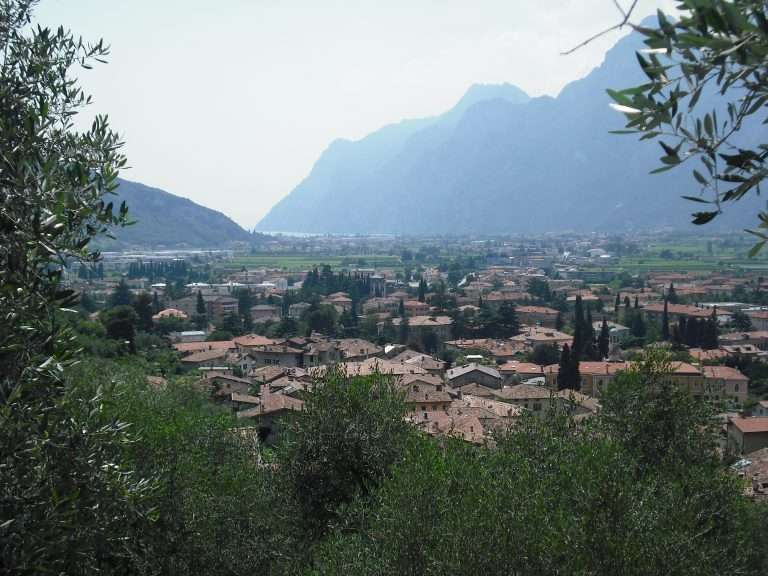
Combine your villa tour with a visit to the medieval Castello di Arco above town for the best panoramic views of Arco’s architectural tapestry. The castle overlooks the red-tiled roofs of the medieval borough, the gardens of Liberty villas, and palm-lined avenues—a stunning vista that captures centuries of history. Plan to visit during spring or early autumn for the most comfortable weather. Parking is available near the town center, and the entire villa district is very walkable. Consider combining Arco with nearby Riva del Garda and other Lake Garda attractions for a complete regional experience.
“`
Want to know more about Ville e Palazzi Asburgici?
Ask me about hours, tickets, how to get there and what to see nearby.
 What do you want to know about Ville e Palazzi Asburgici?


