

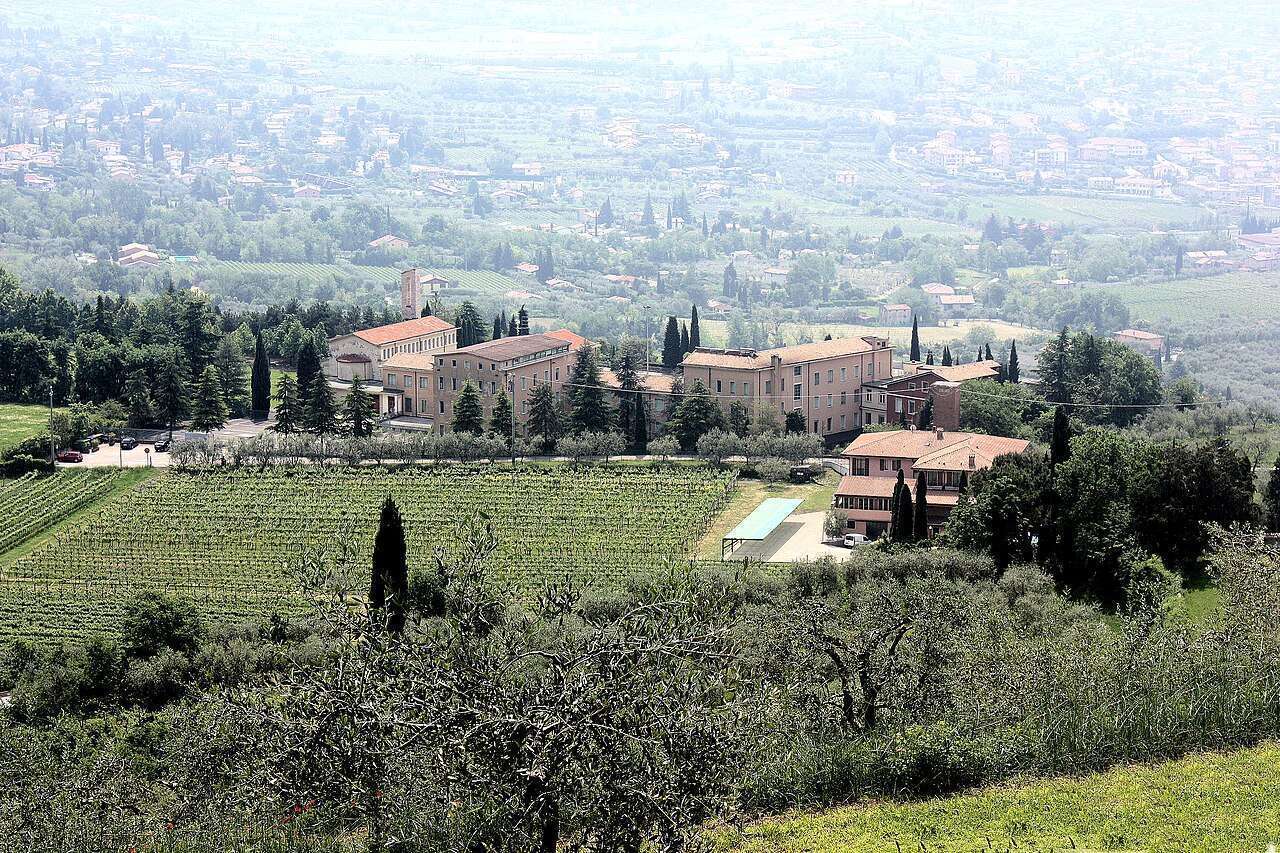
Bardolino Wine Museum
Bardolino
From vine to glass: the Zeni museum in Bardolino traces the oldest DOC on Lake Garda through presses, barrels and tastings.
A Journey Through Centuries of Winemaking
On the road from Bardolino that climbs toward the moraine hills of the inland region, the Bardolino Wine Museum (Museo del Vino Zeni) tells a story that begins with the Romans and has never been interrupted. Housed in the historic cellar of the Zeni family, the museum traces centuries of Lake Garda viticulture through tools, documents, photographs and — above all — aromas and flavors.
The Complete Wine-Making Process
The exhibition unfolds across twelve rooms that follow the complete wine cycle: from winter pruning to harvest, from pressing to aging. The displayed tools — wooden oak lever presses, century-old barrels, manual bottling machines, hammer-operated corking devices — are not reproductions but authentic pieces recovered from local cellars, some dating back to the 18th century.
Bardolino DOC and Local Terroir
A section is dedicated to the Bardolino DOC, recognized in 1968 as one of Italy’s first protected designations. Visitors discover that classic Bardolino is born from a blend of native grape varieties — corvina, rondinella and molinara — cultivated on moraine hills shaped by the retreat of the Garda glacier over 10,000 years ago. The moraine soil, rich in stones and poor in clay, forces the vines to root deeply, concentrating aromas and structure in the clusters.
The Chiaretto Rosé and the Visit
The museum also dedicates space to Chiaretto, the Lake Garda rosé whose modern production dates back to the 1960s but whose roots lie in the tradition of “wines of a single night” — fermented with brief skin contact. Today Bardolino Chiaretto ranks among Italy’s most appreciated rosés, with a fresh and mineral profile that reflects the lake’s proximity. The visit concludes with a complimentary wine tasting from the cellar, accompanied by local extra virgin olive oil and breadsticks. The entire route is accessible and suitable for children. It is easily reached from the eastern Gardesana road and has ample parking. Open year-round with free admission.


