A region to eat and drink
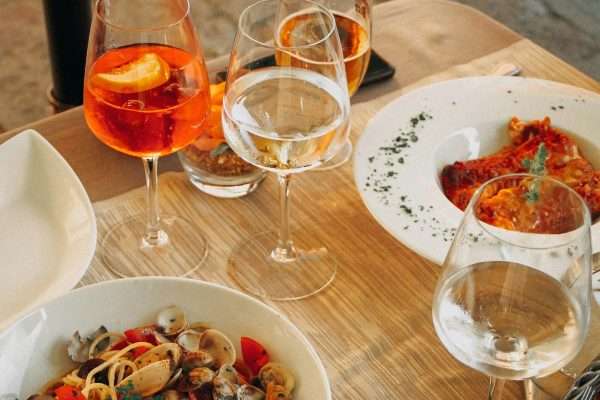
Lake Garda isn’t just about water and mountains. It’s a land of vineyards that sweep down to the shore, olive groves producing some of Italy’s finest oil, and dishes that blend Alpine and Mediterranean traditions. Garda’s food and wine scene is built on authentic products with protected designations, wineries open for tours, and mills where you can taste freshly pressed oil. Here is a complete guide for those who want to get to know the lake through their palate.
Garda wines: From Lugana to Bardolino
Lugana DOC: The white wine from the south of the lake
Lugana is the most important white wine of Lake Garda. It is produced in the southern area, between Sirmione, Desenzano, and Peschiera, from Turbiana grapes (a local biotype of Trebbiano) grown on clayey morainic soils. The result is a white with great structure: floral, mineral, and with a freshness that makes it perfect with lake fish.
Lugana comes in several versions: base (fresh, to be drunk young), Superiore (more structured, aged for at least one year), and Riserva (minimum 24 months). Prices at the winery range from 8 to 25 euros per bottle. Among the historic wineries: Ca’ dei Frati, Zenato, Ottella, and Ca’ Maiol. Many offer tours by appointment.
Bardolino DOC and Chiaretto
Bardolino is the red wine of the Veronese shore, produced on the hills behind Bardolino and Lazise using Corvina, Rondinella, and Molinara grapes—the same as Valpolicella, but here the lakeside climate produces lighter, easy-drinking wines. Chiaretto, the rosé version, has become the wine of the Garda summer in recent years: fresh, fragrant, and perfect with a fish dish on a lakeside restaurant terrace.
The Bardolino Wine Route is a food and wine itinerary that visits wineries, oil mills, and vinegar cellars across the morainic hills. You can explore it by bike, car, or on foot (in stages). The Bardolino Grape and Wine Festival in October is the largest food and wine event on the lake.
Groppello and the reds of Valtenesi
On the Brescia side, the hills of Valtenesi (between Manerba and Salò) produce Groppello, a native grape variety that yields elegant and fragrant reds. It’s less famous than Bardolino but has a distinct personality: hints of small red fruits, spices, and delicate tannins. Try it at the local wineries—the welcome here is genuine and the prices are fair (5-12 euros per bottle).
Trentodoc: Bubbles from the north
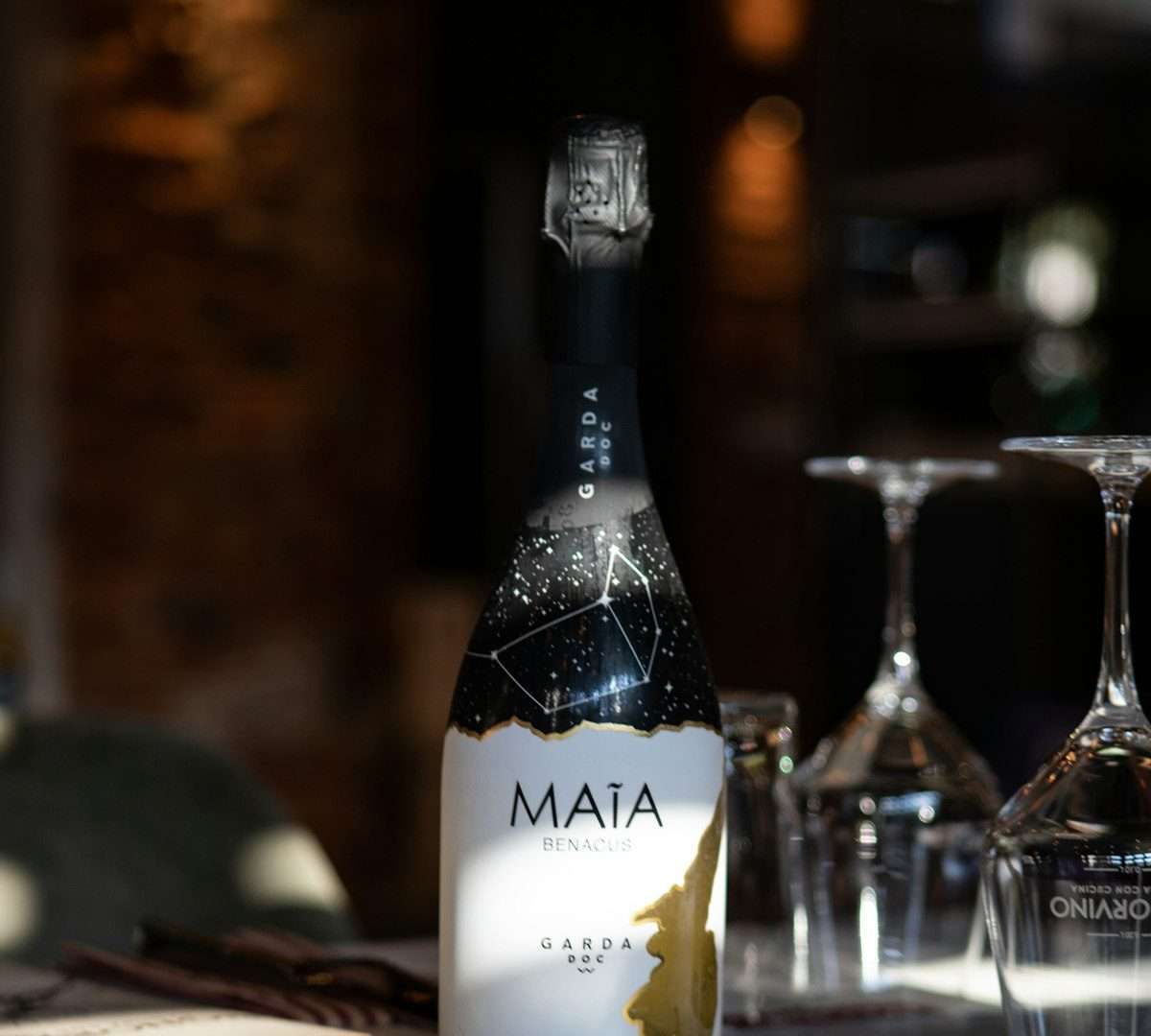
The north of Garda is Trentino territory, and Trentino is synonymous with classic method sparkling wine. Trentodoc is produced with Chardonnay and Pinot Nero, with at least 15 months on the lees (36 for the Riserva). It’s not a Garda wine in the strictest sense, but the wineries in the Arco area and the Valle dei Laghi are just a few kilometers from the lake. Ferrari, Letrari, and Maso Martis are names to look out for.
Garda DOP Extra Virgin Olive Oil
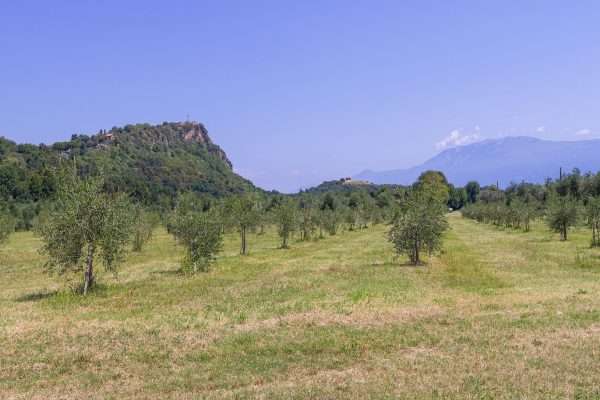
Garda extra virgin olive oil is a DOP recognized by the European Union, with three sub-zones: Bresciano (western shore), Orientale (Veronese shore), and Trentino. The lake’s microclimate allows olive cultivation at unusually high altitudes for Northern Italy.
Garda oil is delicate, with notes of almond, fresh grass, and artichoke—very different from the more intense Tuscan or Puglian oils. It is used raw on fish, vegetables, and bruschetta. Prices range from 15 to 30 euros per liter at the mill.
There are numerous oil mills open to the public. On the Brescia shore, the area of Toscolano-Maderno and Gargnano has the highest concentration. On the Veronese shore, the hills above Bardolino and Torri del Benaco produce excellent quality oil. The harvest takes place between October and December: if you visit Garda in autumn, you can watch the pressing process.
Typical Garda dishes
Lake fish
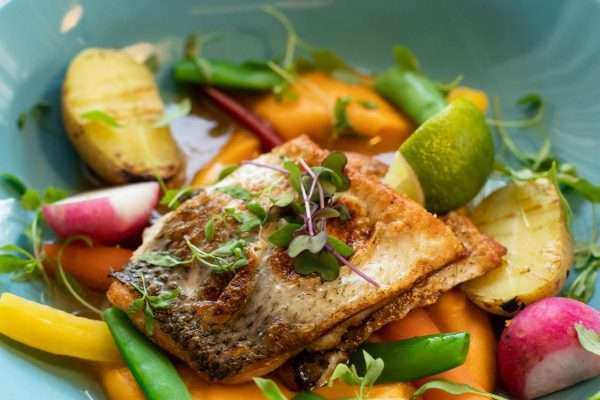
Garda is rich in freshwater fish. The stars of the table are:
- Coregone (lavarello): a delicate white fish, excellent grilled or in a herb crust.
- Persico (Perch): perch fillet with polenta is the lake’s signature dish. Fried or pan-seared with butter and sage.
- Tinca (Tench): typical of the lower lake, baked and stuffed with breadcrumbs, capers, and parsley (tinca al forno alla gardesana).
- Freshwater sardines (agoni): sun-dried and preserved in oil. They are eaten with polenta and represent an ancient flavor of the lake.
- Luccio (Pike): in a sauce with peppers and capers, served with polenta. A robust traditional peasant dish.
First courses
Bigoli with sardines (freshwater sardines) is the most typical first course: long, thick pasta tossed with a sauté of sardines, onion, and olive oil. Valeggio tortellini, produced in Valeggio sul Mincio, feature a meat and cheese filling in paper-thin pasta, served with melted butter and sage. On the third Tuesday of June, the Visconti bridge in Borghetto hosts the Love Knot Festival, with a table seating 4,000 people.
Cheese and cured meats
The Garda hinterland produces mountain cheeses: Monte Veronese DOP (from Monte Baldo, aged or fresh) and Bagoss (a hard cheese from Valle Sabbia, colored with saffron). Among the cured meats, look for Veronese sopressa and lard flavored with mountain herbs.
Desserts
Sbrisolona is the cake of the hinterland: cornmeal, almonds, and butter, crumbly and rustic. It is broken with the hands (never with a knife). The nocciolino di Garda is a small cocoa and hazelnut biscuit found in all bakeries in the southern area.
Wineries and oil mills to visit
Here is a selection of producers who welcome visitors:
- Ca’ dei Frati (Lugana, Sirmione): one of the most historic Lugana wineries. Tastings from 15 euros.
- Zenato (Lugana/Valpolicella, Peschiera): a large winery with guided tours of the vineyards and the barrel cellar.
- Guerrieri Rizzardi (Bardolino): an 18th-century villa with Italian gardens and tastings in the historic cellar.
- Colli Vaibò (Valtenesi): a small family winery with Groppello and oil. A genuine welcome.
- Frantoio di Riva (Riva del Garda): an oil cooperative with an oil museum and free tastings.
- Frantoio Montecroce (Desenzano): Garda DOP oil, production tours by appointment.
Markets and shops
Weekly markets are the best way to buy local products directly from the producers:
- Monday: Peschiera del Garda, Salò
- Tuesday: Desenzano, Malcesine
- Wednesday: Lazise (the largest on the lake), Riva del Garda
- Thursday: Bardolino, Toscolano-Maderno
- Friday: Garda
- Saturday: Desenzano (antiques market, first of the month), Arco
Food and wine events
- March-April: Palio del Chiaretto (Bardolino) — a preview of the year’s rosé.
- May: New Oil Festival (Gargnano, Toscolano) — late pressing and tastings.
- June: Love Knot Festival (Valeggio sul Mincio) — dinner for 4,000 people on the Visconti bridge.
- September-October: Bardolino Grape and Wine Festival — the largest wine event on the lake.
- November: New Oil (entire area) — oil mills open for the pressing of the new oil.
Garda’s food and wine isn’t just folklore: it’s a living production system, with farmers and artisans who have worked the same land for generations. A glass of Lugana overlooking the lake, a drizzle of new oil on bruschetta, a plate of bigoli with sardines: these are experiences that tell the story of this region better than any guidebook.
Explore the Lake Garda destinations and discover our cycling routes through wineries and olive groves.